

Co-Learning Activities
Research Communication
Engaging with research articles and their structure through making zines

Co-Learning Activities
Engaging with research articles and their structure through making zines
Research is about creating new knowledge, and also about communicating it. Yet, research articles, the main ways research findings are shared, can feel complicated and not accessible. To engage with research articles, participants explore how they are structured and how to read them. They are then invited to create their own scientific zine on a topic of their choice.
“Zines” are small, handmade booklets or mini-magazines that mix images and words to share information. They are easy to make, very adaptable, and require few resources. By creating their own zines, participants apply what they learned about research articles in a way that is fun, creative, and easy to put into practice.
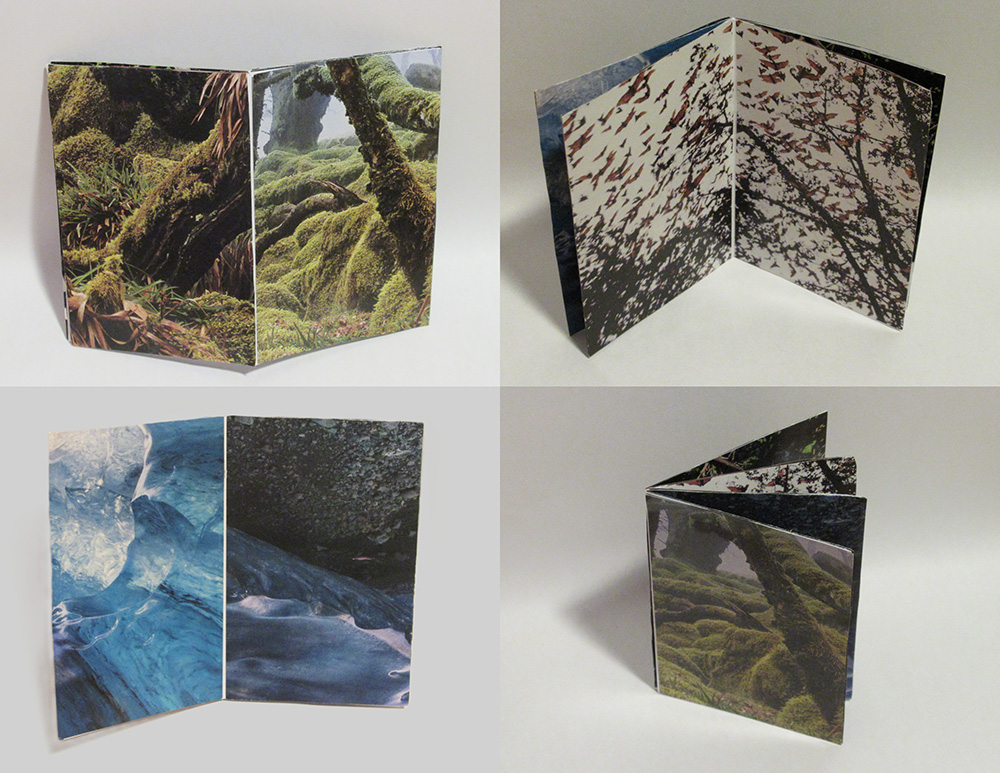
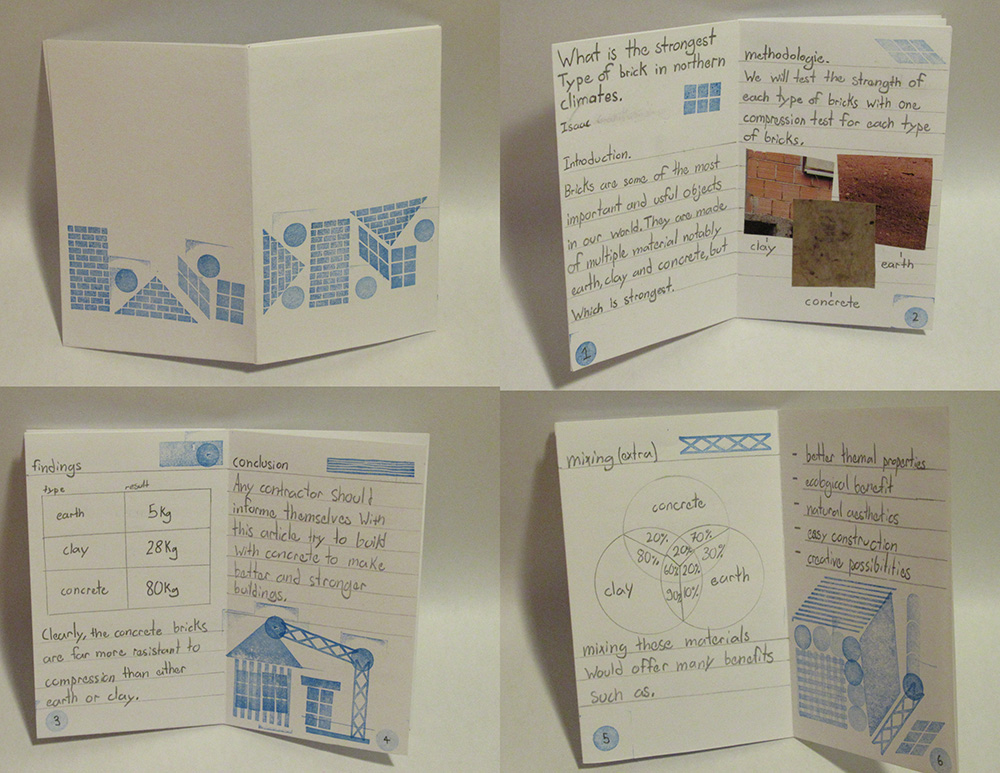
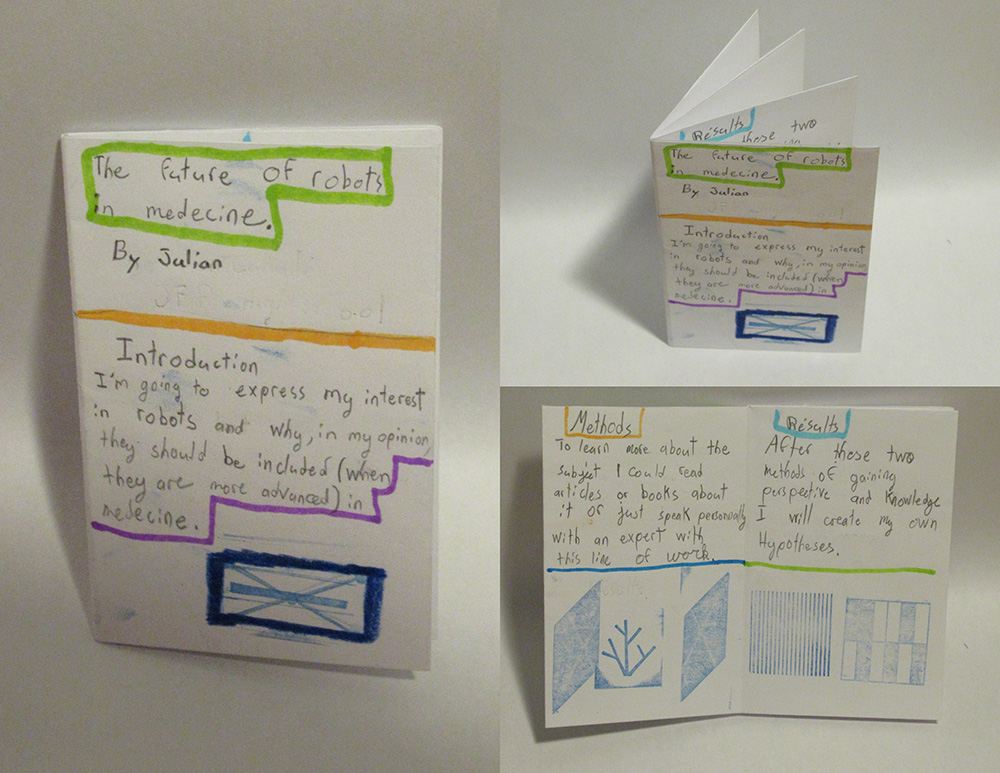
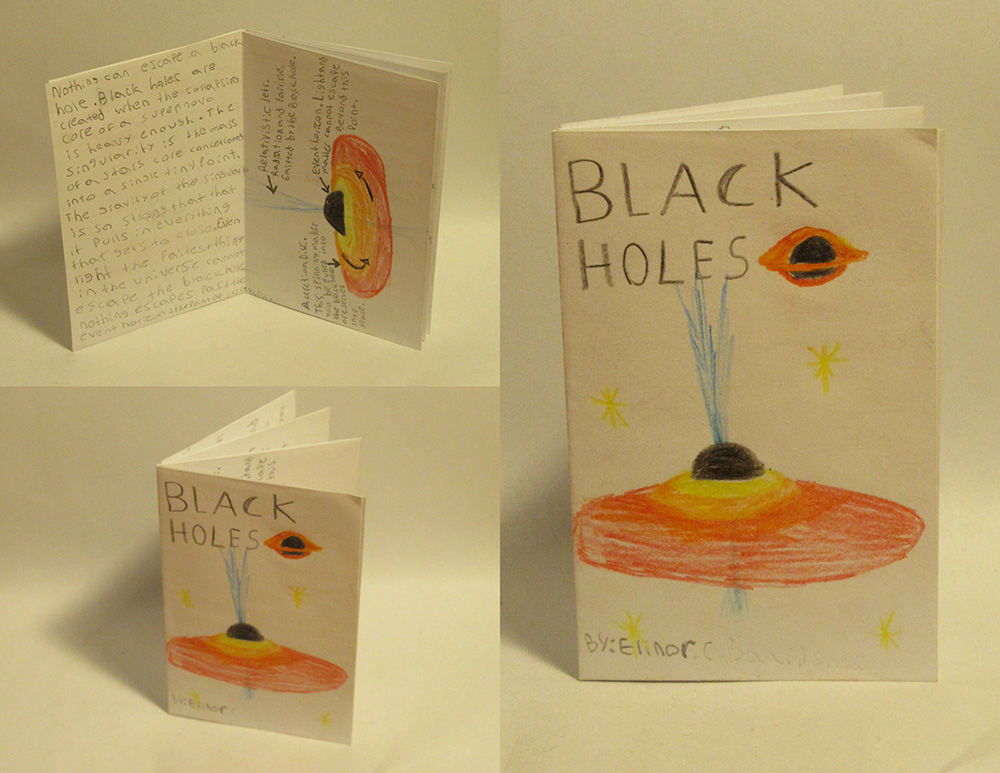
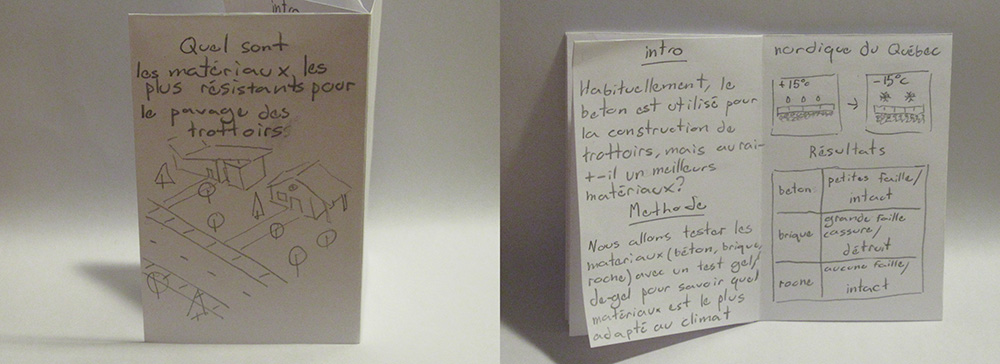
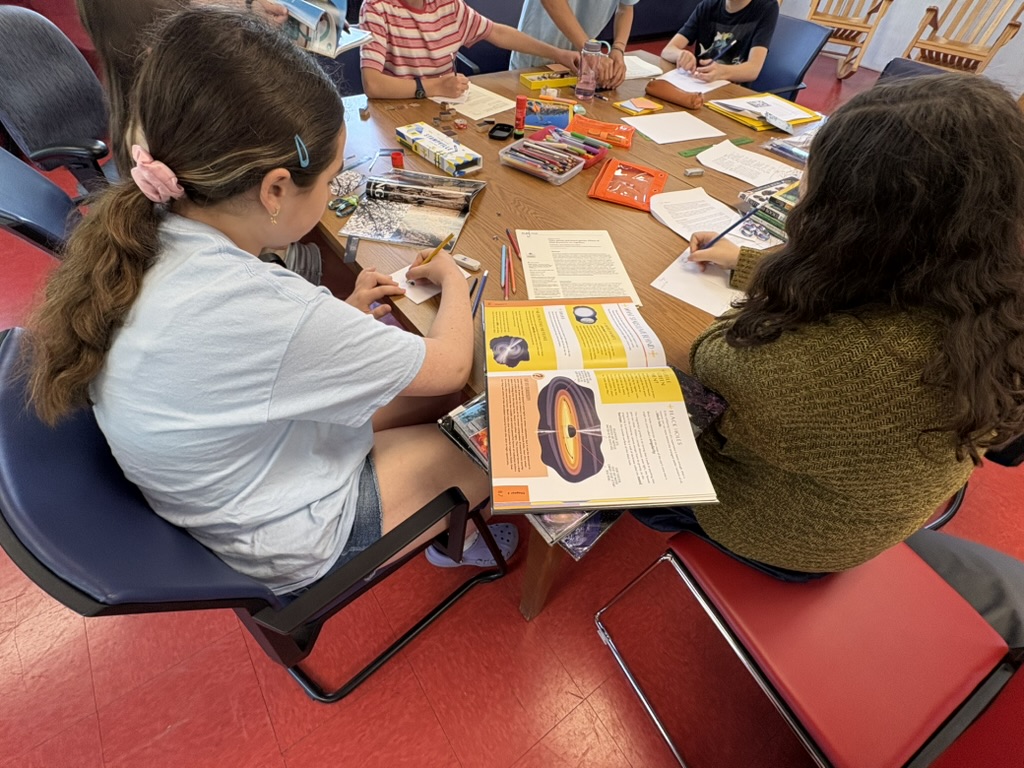
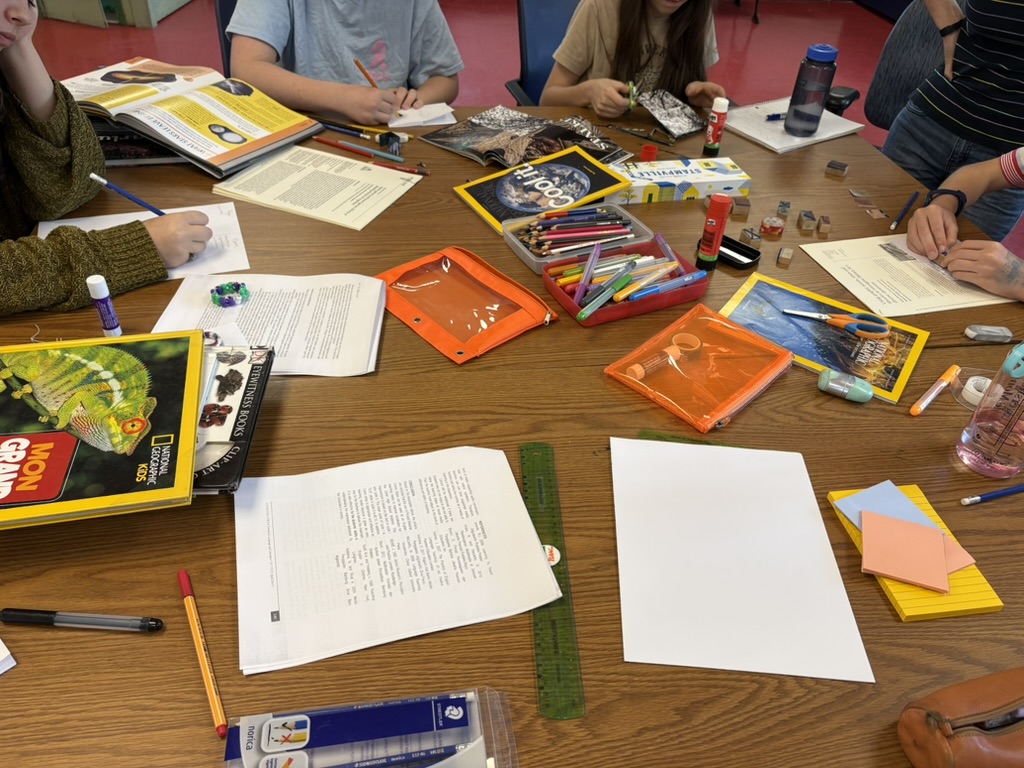

Zines embody the do-it-yourself spirit and the belief that anyone can create, communicate ideas, and learn through making. The process of creating zines turns research communication into an active, hands-on experience.
Materials
paper and markers, magazines, glue or tape, scissors, books or computer as information sources
Time
90 minutes
Ideal Group Size
1-2 per zine
Format
in person (if online, participants will need to have their own materials)

10 mins
Invite participants to get to know one another, build a comfortable space for discussion, and start reflecting on their experiences with science and research.
Icebreaker questions: What can make learning about science boring? What can make it exciting?

15 mins
Invite participants to share their thoughts about why we do research and why we need scientific articles.
After hearing them out and building on what was said, present the role of articles and their typical structure. You can print out some examples of articles to look at together.
Using the examples, describe each element of an article: title, authors’ names, keywords, abstract, and sections (Introduction, Background, Methods, Results, Discussion, Conclusion, Acknowledgements, References). In talking about each element, you can ask participants to share why they think each element is important.
Ask participants if they are familiar with zines. If yes, ask them to describe what they are in their own words.
Zines are handmade booklets that we can easily make. It is a way that is accessible to all and does not require many expensive resources. They are meant to be unique, personal, and creative.

40 mins
Prepare the papers, pencils, markers, as well as some old magazines to do collage, scissors and glue. Remind participants that their zines can be text and images and they are the creative directors.
To make zines, offer two options: (1) a zine explaining how participants understand research and science or (2) to pick something they are curious about and think how they would go about exploring it.
Invite participants to consider:
Now it’s zine time! Using the supplies, looking at the example articles for inspiration, invite participants to let their creativity lead the way.

15 mins
Introduce the idea of peer review: before research is shared, other researchers read it, ask questions, and provide feedback to help strengthen the work.
Invite each participant or pair of participants to share their zine with the group.
Everyone is encouraged to ask curious and respectful questions, not to judge, but to learn more about the ideas, choices, and messages behind each creation.

20 mins
Invite participants to reflect on the activity and the ways research can be communicated.
Possible reflection questions: