
Co-Learning Activities
What We Learned Together
Sharing what youth taught us through co-learning and co-creation
Co-Learning Activities
Sharing what youth taught us through co-learning and co-creation
Throughout this project, we learned that collaboration, imagination, and fun can open the door to deeper learning, richer conversations, and new ways of understanding research together.
Before diving into our insights and the practices that worked for us, remember that these activities can be adapted to different topics. We are simply sharing how we used them, and hope they inspire you to adapt, mix, and match them in your own context.

At the start, take time to introduce yourselves and learn each other’s names. These small moments of connection can help everyone feel more comfortable and create a space where people are more open to sharing and learning together.

We opened each co-learning activity with a simple question: What don’t you like about science class? What do you find annoying? We wanted our participants to know from the start that their experiences and perspectives mattered to us, including the things they didn’t like. It was important to create a space where they could be honest about their experiences and know that there was no expectation to give a particular answer, no “right answer.”

We learned to talk less and listen more. Rather than filling the time with information, we shared just enough to get the co-creation activity started, then made space for participants to take the lead. Having at least two of us there meant that we could answer questions, offer support when needed, and take notes without interrupting the flow of the activity.

For the first activity, we brought paper and markers and printed out handouts, thinking that our participants were tired of screens. But we learned that it said more about us than them. They were keen to create their own powerpoint presentation or use other online tools.

We learned to adapt to the group and to what each person needed. Some participants moved quickly, while others wanted to take their time and get things just right. When this happened, we connected the experience to what it can be like to do research, for example, working within time constraints, making adjustments along the way, and accepting that things don’t always go exactly as planned.

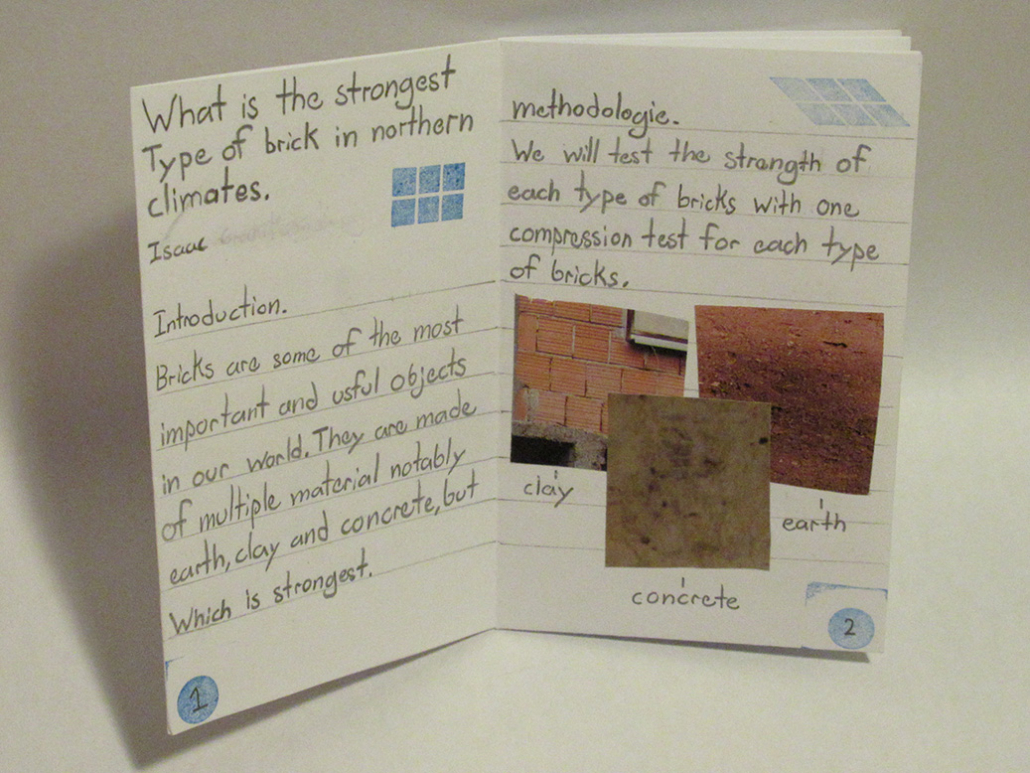
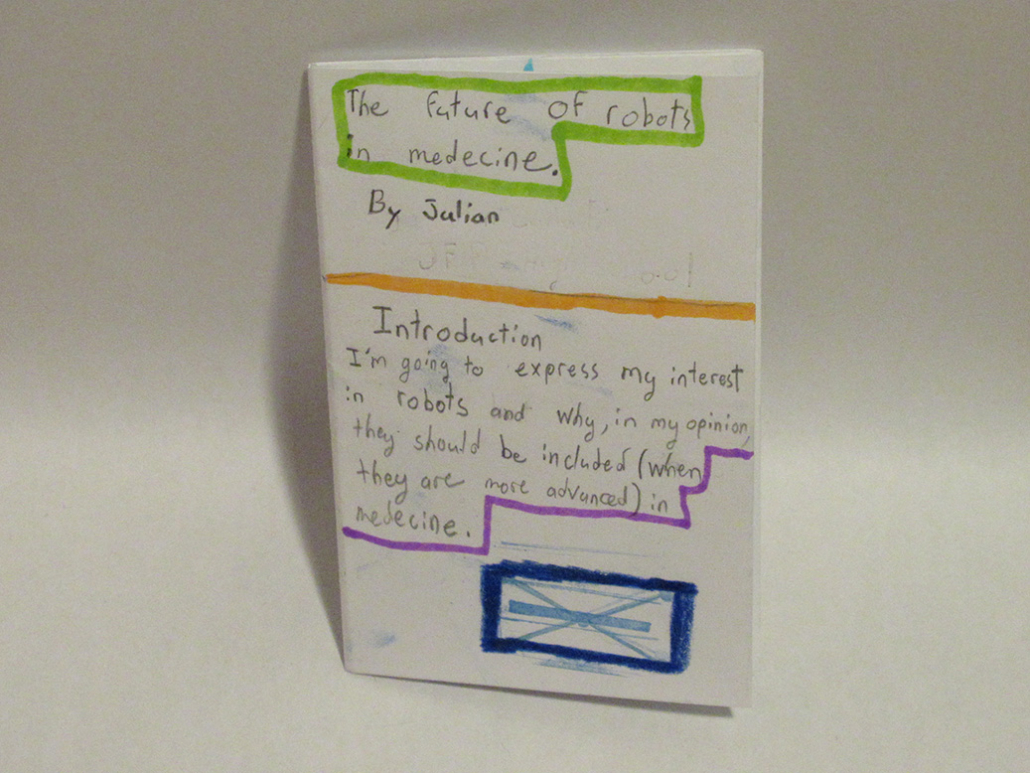
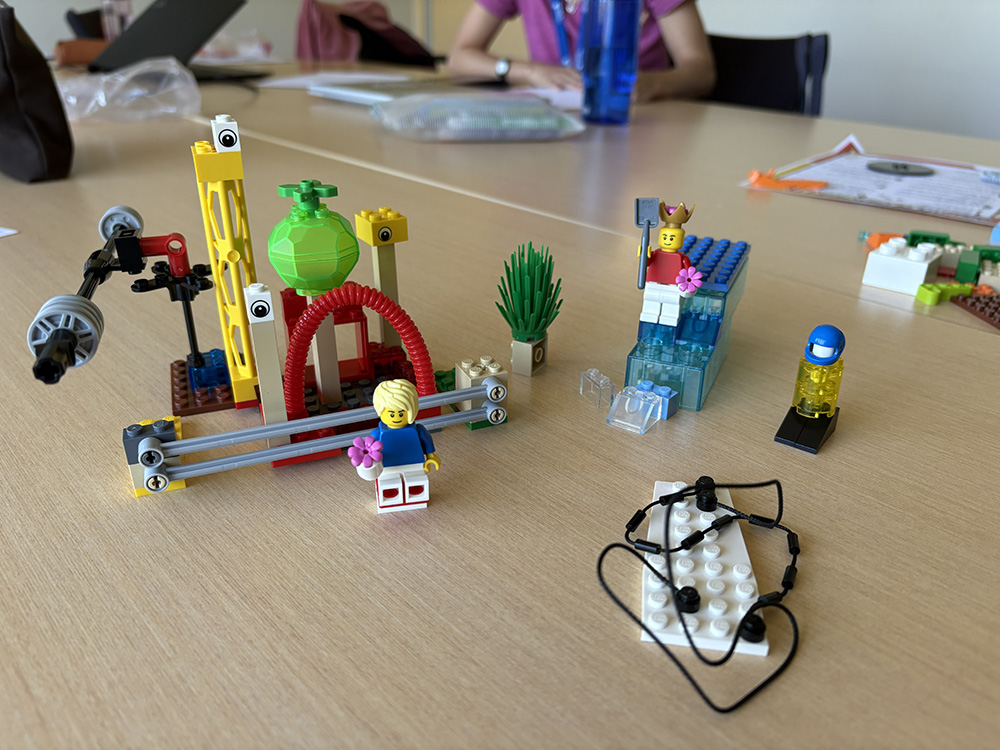
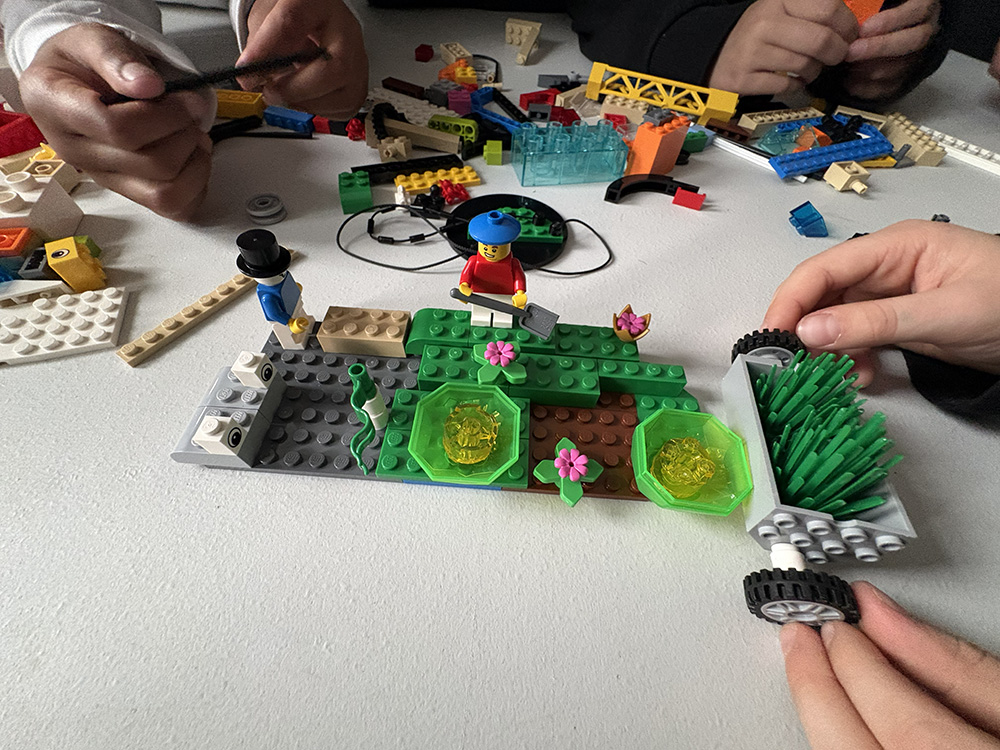
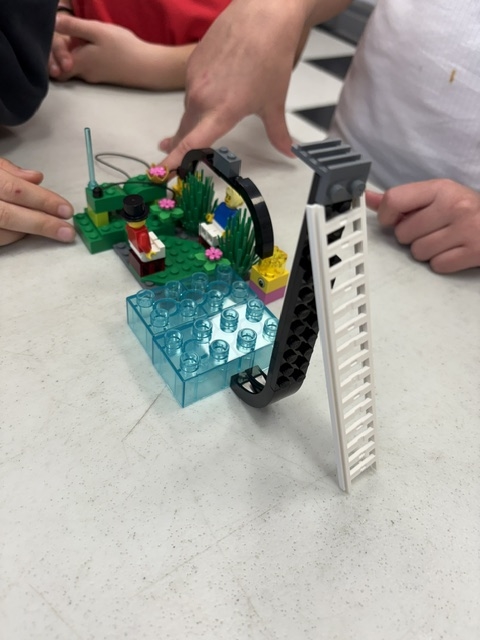
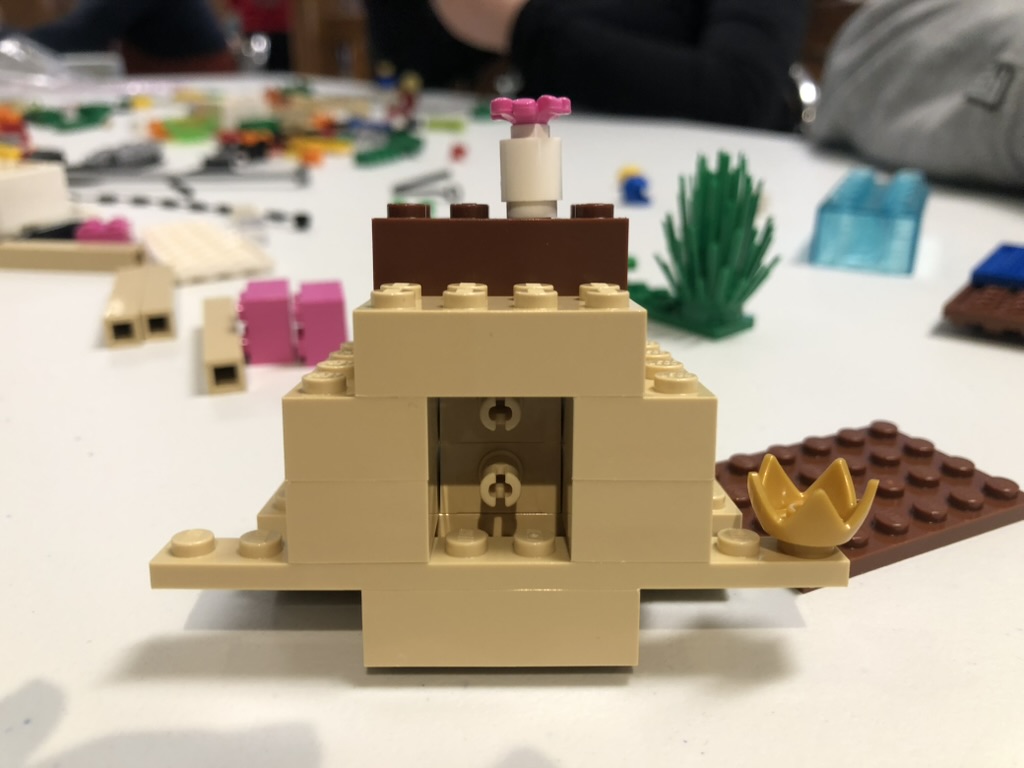
Each session ended with a chance to share what we had created, whether individually or in small groups, and then sit together over pizza to talk about the experience. Taking the time to reflect together made the activity more than just something we did. It became a moment to learn from one another.
One of our key insights was that we can all be both teachers and learners. When we learn together through dialogue and take a genuine interest in what each person brings, knoweldge becomes something we create together, rather than something one person gives and another receives.